Institutional leadership
Vice-Chancellors, Directors, Principals, Registrars, Deans and Heads of Departments.
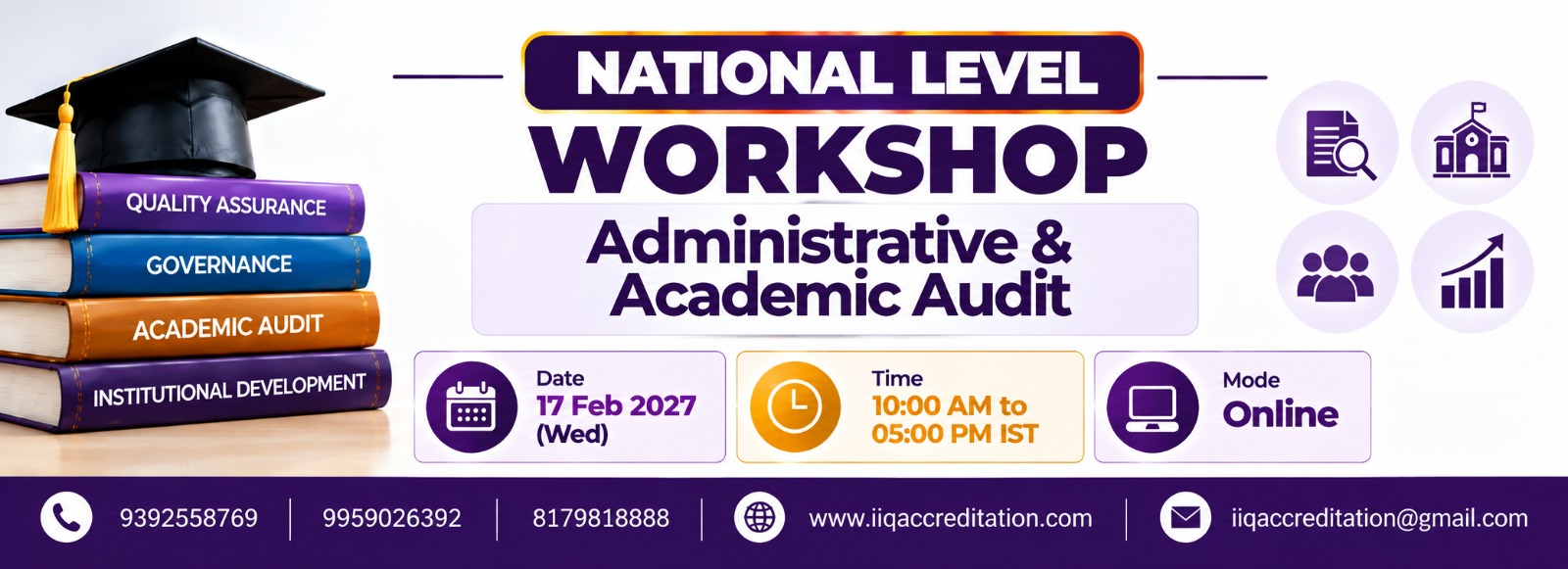
Organized by International Institute of Quality Accreditation & Rankings (IIQA)
Build a practical Academic & Administrative Audit (AAA) process for your institution.
Connect self-evaluation, document review, stakeholder interaction and peer feedback with clear findings, assigned actions and verified follow-up.
Plan a meaningful audit and turn findings into measurable improvement through an evidence-based institutional quality cycle.
AAA supports institutional quality assurance. Audit scope, frequency and templates should reflect applicable institutional, university and regulatory requirements. This workshop does not confer accreditation.
For universities, autonomous institutions, affiliated colleges and professional institutions seeking to strengthen internal quality assurance through systematic academic and administrative review.
Vice-Chancellors, Directors, Principals, Registrars, Deans and Heads of Departments.
IQAC Coordinators, audit committee members, faculty and departmental review teams.
Examination officers, HR, finance, library and administrative teams.
Follow the complete audit cycle: plan, self-evaluate, review evidence, discuss findings, report, act and verify effectiveness.
Academic review and administrative process review have distinct scopes. AAA complements internal quality assurance and is separate from statutory financial audit. University IQAC Functions & Audit Follow-up ↗
17 February 2027 · 10:00 AM–5:00 PM IST. Lunch break: 1:00–2:00 PM.
Purpose, scope and the institutional quality cycle.
Policy, criteria, schedules, roles and reviewer independence.
Teaching, assessment, outcomes, research and student support.
Governance, services, resources, controls and records.
Define evidence requirements and sampling priorities.
Document review, interviews, triangulation and observation notes.
Evidence-linked findings and actionable recommendations.
Ownership, deadlines, closure evidence and effectiveness checks.
Plan the next audit cycle and IQAC review milestones.
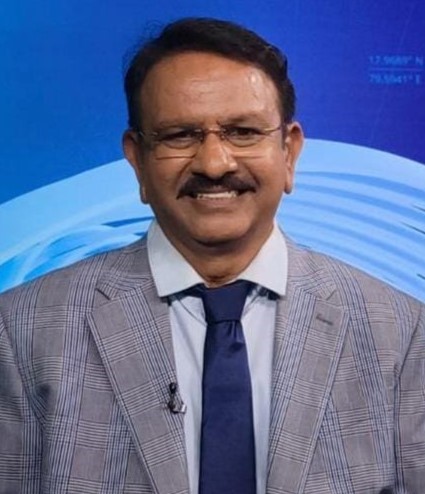 YOUR RESOURCE PERSON
FOUNDER & CHIEF EXECUTIVE OFFICER
International Institute of Quality Accreditation & Rankings (IIQA)
LL.B. | LL.M. (Constitutional Law) | Ph.D.
IIM Ahmedabad Alumnus | President of India Medal Awardee
Dr. T. Ravinder Reddy supports higher education institutions with accreditation, regulatory readiness and institutional development. His sessions connect institutional records, governance and evidence preparation with practical implementation priorities.
Areas of expertise: institutional quality assurance, academic evidence review, mock audits, gap analysis, action planning and institutional development.
Explore Complete Profile ↗Institutional audit, advisory and training experience reported by IIQA.
Dr. Ramesh Reddy, Principal
The Principal’s feedback highlights IIQA’s academic evidence review, mock audits and follow-up on identified gaps as part of wider accreditation and institutional advisory support.
Read Full Testimonial ↗IIQA helps institutional teams plan audit scope and checklists, organise academic and administrative evidence, review gaps and track corrective actions through follow-up reviews.
Discuss Academic & Administrative Audit Support ↗Need help registering your institutional team? Contact IIQA for assistance.
AAA is a systematic review of academic practices and administrative processes. It connects evidence-based findings with action planning and verified follow-up.
Institution leaders, IQAC Coordinators, audit committees, faculty and administrative teams from universities, autonomous institutions, affiliated colleges and professional institutions.
Yes. It covers prioritisation, root-cause actions, owners, deadlines, closure evidence and effectiveness checks through institutional review.
No. AAA reviews academic quality and administrative processes. It does not replace statutory financial audit, and this workshop does not confer accreditation.
Wednesday, 17 February 2027, online from 10:00 AM to 5:00 PM IST. Lunch is from 1:00 PM to 2:00 PM. Registration closes on 15 February 2027 at 4:00 PM IST.
₹12,000 per institution includes one coordinator and three participants. Additional participants cost ₹3,000 each, per workshop. No GST.
Yes. Select two or more workshops to receive 25% off the total participation fee, including additional participants.
An e-Certificate of Participation is issued for attendance and completion of the full workshop.
Inform IIQA at least 48 hours before the workshop starts. Substitution is permitted; workshop transfers depend on availability.
Only for individual candidate registration fee.
Select two or more workshops from the IIQA workshop series. The discount applies to the total participation fee, including extra participants.
Choose one preferred date. Each batch covers the same programme; registration closes 42 hours before it starts.
Registration closes 15 November 2026, 4:00 PM IST.
Register NowIssued to participants who attend and complete the full workshop.
Inform IIQA at least 48 hours before the original batch starts. Participant substitution is permitted; transfers depend on batch availability.
Review our terms and policies, or contact IIQA for support. Terms & Conditions · Privacy Policy · Refund & Cancellation Policy · Contact & Support
Please confirm your preferred batch on the registration form before submitting.
Tell us your institution type, framework and current stage of preparation.
Tell us about your institution and the support you need.
Start WhatsApp ChatSend a detailed enquiry