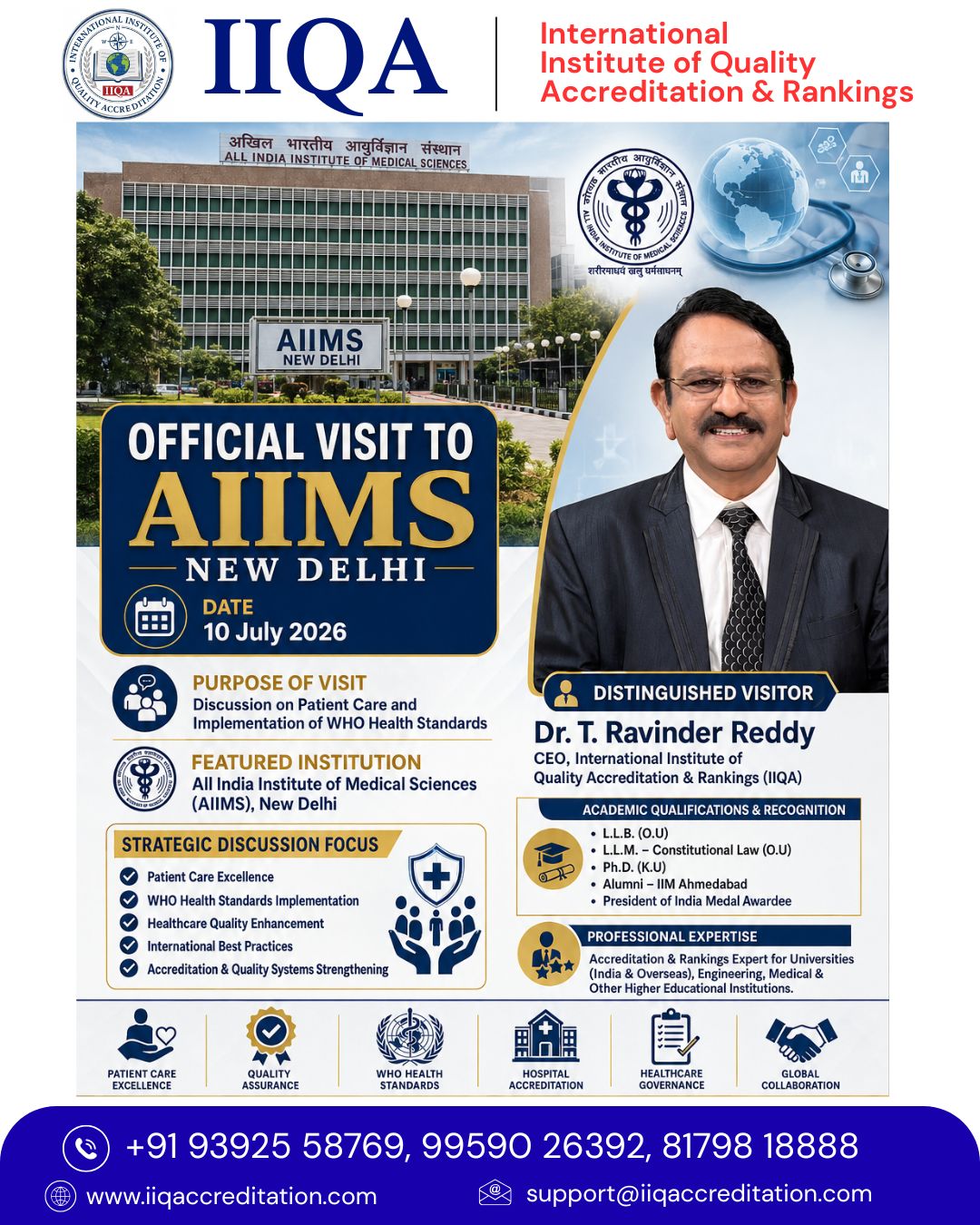
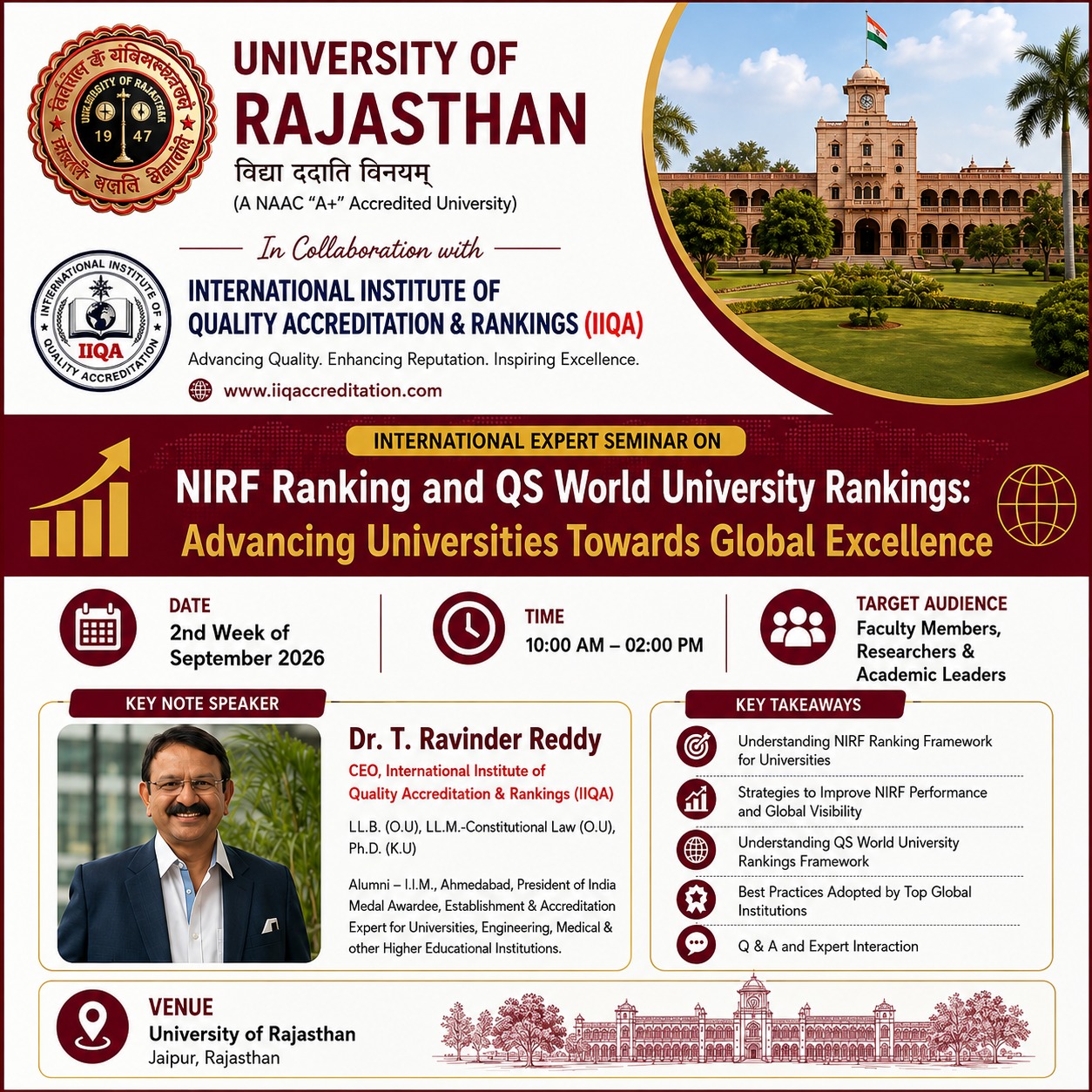
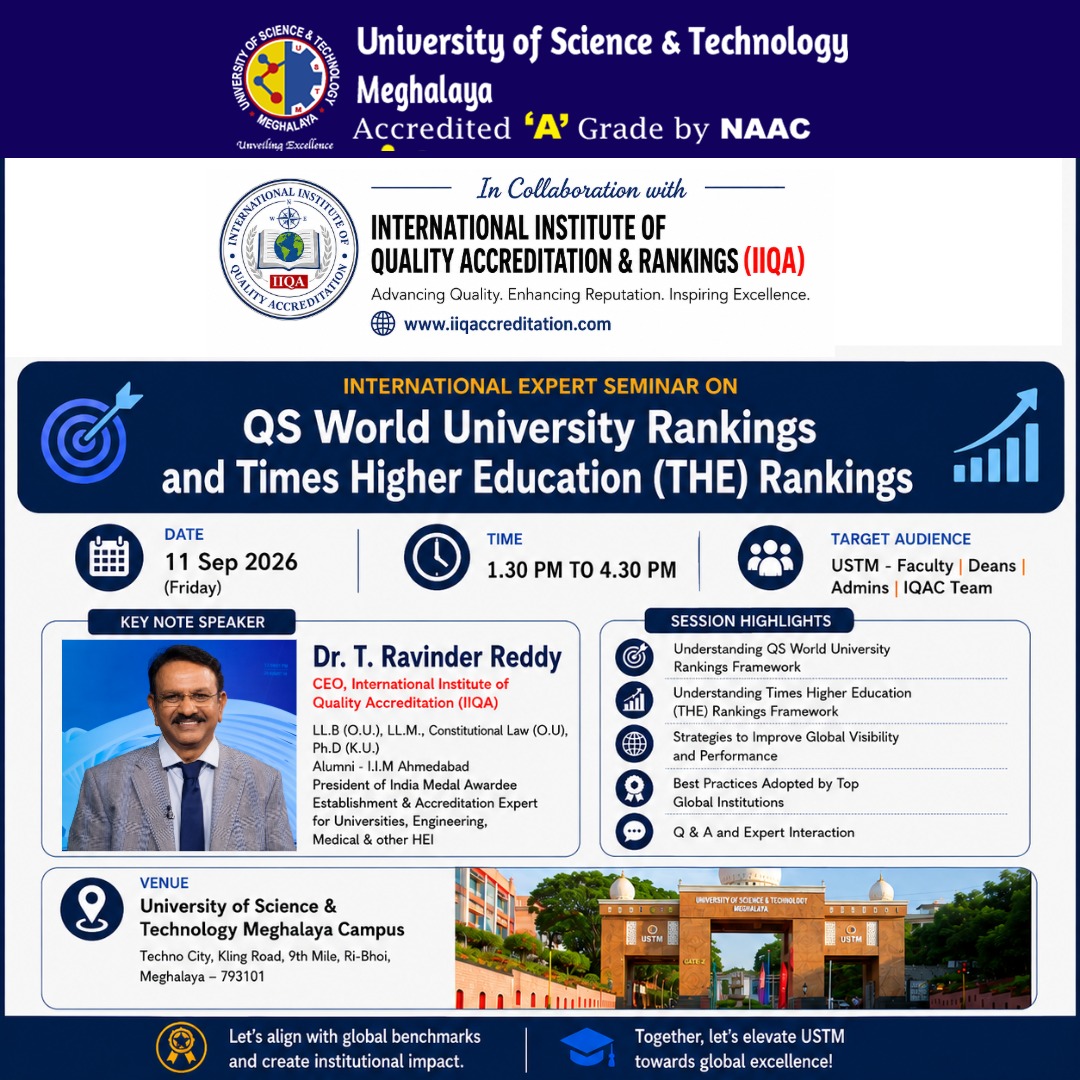
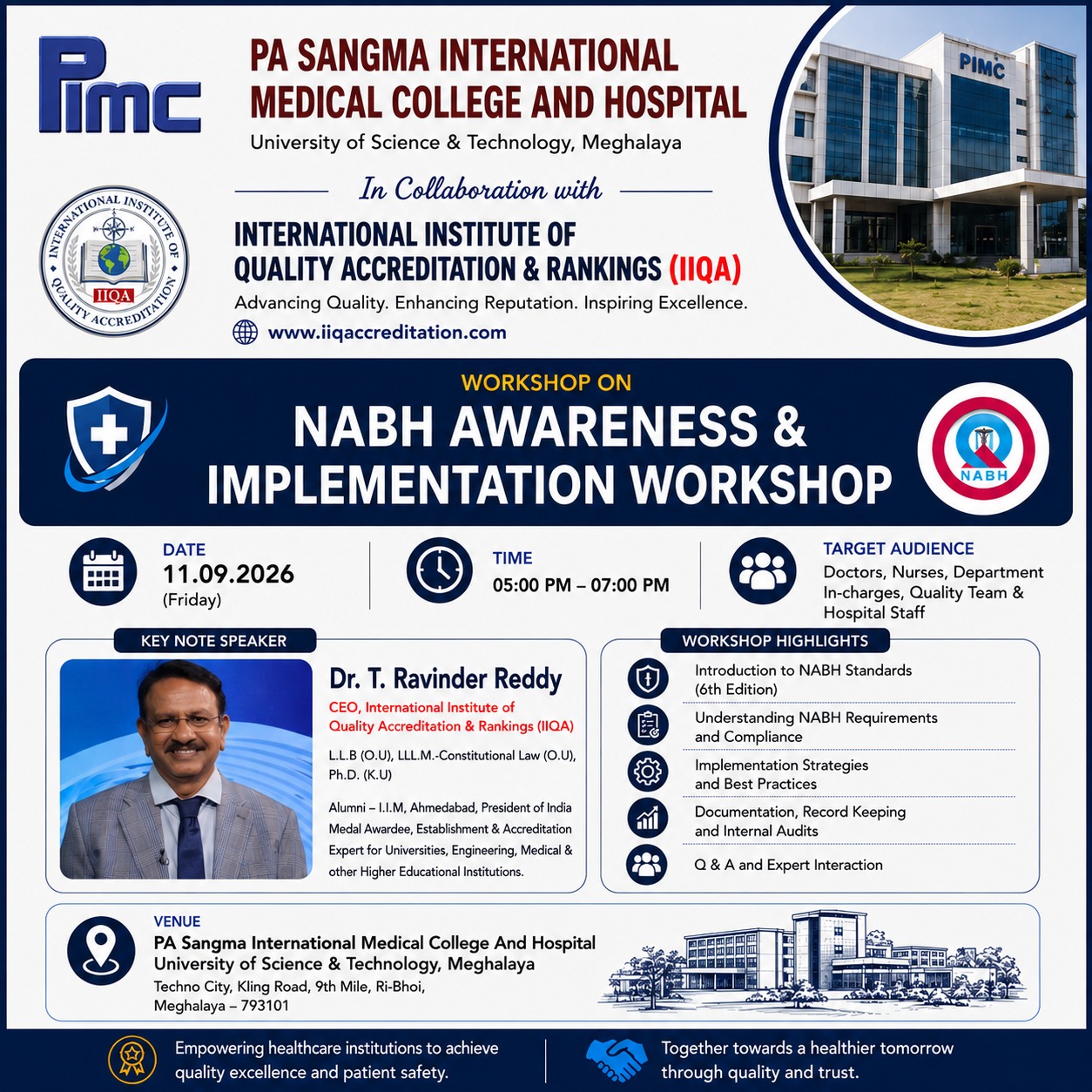
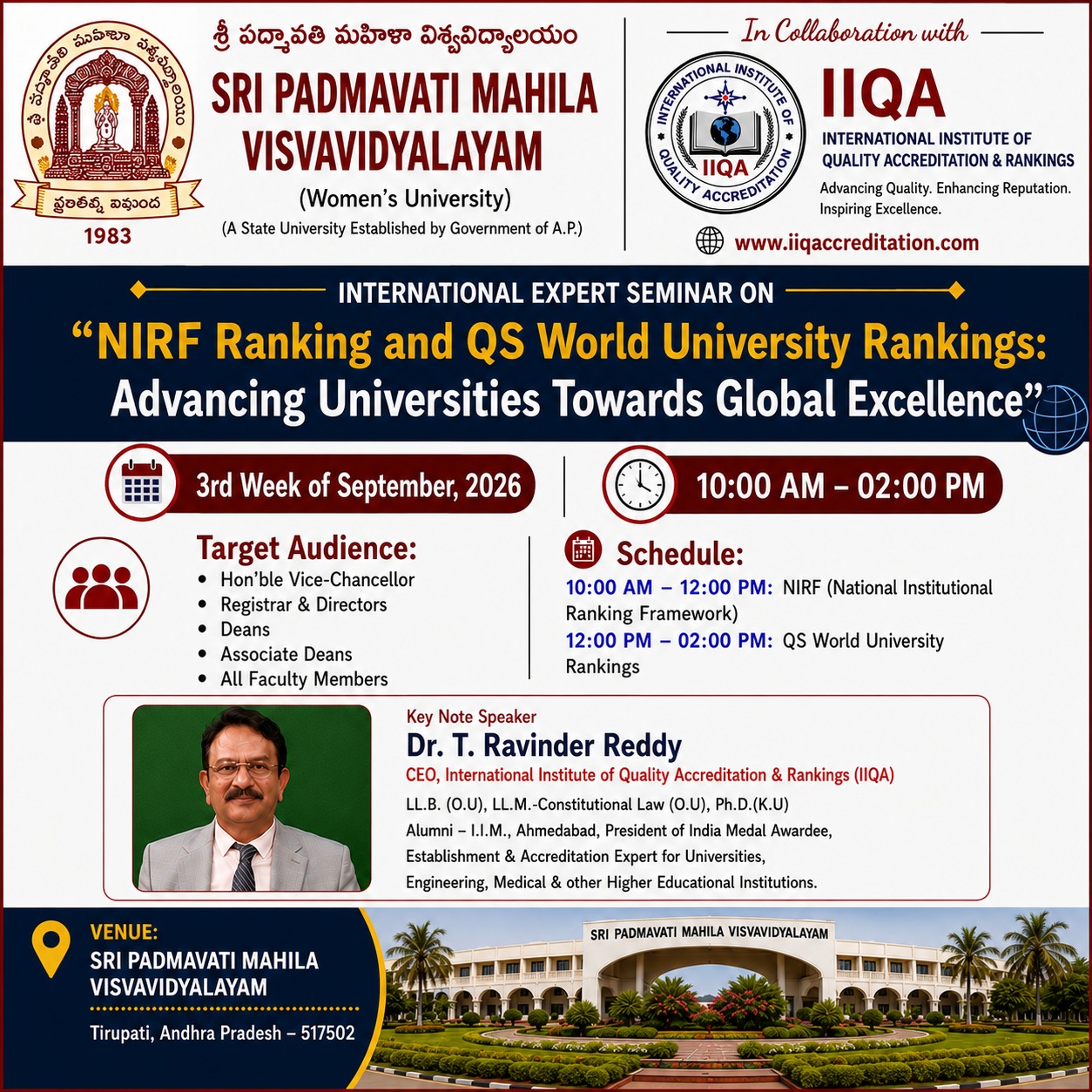
Dr. T. Ravinder Reddy, CEO of the International Institute of Quality Accreditation & Rankings (IIQA), made an official visit to the All India Institute of Medical Sciences (AIIMS), New Delhi, on 10 July 2026.
The visit focused on discussions related to patient care excellence and the implementation of WHO health standards. It also highlighted key areas such as healthcare quality enhancement, international best practices, accreditation, quality assurance, and the strengthening of healthcare systems.
Purpose of the Visit to AIIMS New Delhi
The primary purpose of the visit was to discuss key aspects of patient care and the implementation of internationally recognized health standards.
Healthcare institutions require structured quality systems to support better patient outcomes, improve service delivery, strengthen governance, and encourage continuous institutional improvement.
The discussions focused on the following key areas:
- Patient Care Excellence
- WHO Health Standards Implementation
- Healthcare Quality Enhancement
- International Best Practices
- Accreditation and Quality Systems Strengthening
Focus on Patient Care Excellence
Patient care excellence is one of the most important priorities for any healthcare institution. High-quality patient care requires more than medical expertise. It also depends on well-defined processes, effective quality monitoring, patient safety measures, responsible governance, and continuous improvement.
The visit highlighted the importance of strengthening healthcare systems that support consistent and patient-focused services.
A strong approach to patient care can help healthcare institutions improve:
- Patient safety and satisfaction
- Quality of healthcare services
- Institutional processes
- Clinical and administrative coordination
- Continuous quality improvement
- Healthcare governance
By strengthening these areas, healthcare institutions can work towards delivering more reliable and effective patient care.
Discussion on WHO Health Standards Implementation
Another important focus of the visit was the implementation of WHO health standards.
Internationally recognized health standards provide important guidance for improving healthcare quality, patient safety, institutional preparedness, and health system performance.
The discussions highlighted the value of aligning healthcare practices with recognized standards to support:
- Better quality management
- Improved patient safety
- Stronger healthcare systems
- Effective institutional governance
- Continuous performance evaluation
- Internationally aligned healthcare practices
Implementing structured health standards can help institutions identify areas for improvement and develop sustainable quality systems.
Strengthening Healthcare Quality
Healthcare quality enhancement requires continuous evaluation and improvement. Institutions need effective systems to monitor performance, assess risks, improve patient experiences, and maintain high standards of care.
The visit emphasized the importance of building a culture of quality across healthcare institutions.
Key elements of healthcare quality improvement include:
- Clear quality policies and procedures
- Patient-centred healthcare practices
- Performance monitoring
- Risk management
- Staff involvement in quality improvement
- Regular evaluation of healthcare processes
- Strong institutional leadership
A well-structured quality framework can support both immediate improvements and long-term institutional excellence.
Importance of Hospital Accreditation
Hospital accreditation plays an important role in helping healthcare institutions evaluate and strengthen their systems.
Accreditation frameworks encourage institutions to follow structured processes, maintain appropriate documentation, monitor quality indicators, and continuously improve their services.
Effective hospital accreditation can support:
- Patient care excellence
- Quality assurance
- Patient safety
- Standardized healthcare processes
- Better institutional governance
- Continuous improvement
- Greater accountability
Accreditation is not limited to meeting a set of requirements. It can also serve as a framework for building a long-term culture of quality within healthcare institutions.
Strengthening Quality Assurance Systems
Quality assurance is essential for maintaining consistency across healthcare services.
Strong quality assurance systems help institutions review their processes, identify gaps, monitor performance, and take corrective actions where necessary.
The visit highlighted the importance of strengthening systems related to:
- Quality monitoring
- Patient safety
- Healthcare service evaluation
- Documentation and compliance
- Institutional performance
- Continuous improvement
These systems can help healthcare institutions maintain a structured approach to quality and improve their overall performance.
Promoting International Best Practices in Healthcare
The adoption of international best practices can help healthcare institutions strengthen both clinical and administrative systems.
Global healthcare practices often emphasize patient safety, quality measurement, evidence-based decision-making, institutional accountability, and continuous improvement.
By studying and adapting relevant international practices, healthcare institutions can work towards:
- Improving healthcare delivery
- Strengthening governance
- Enhancing quality assurance
- Supporting patient-centred care
- Building sustainable institutional systems
- Encouraging global collaboration
The visit reflected the importance of learning from internationally recognized quality approaches while strengthening healthcare systems.
Healthcare Governance and Institutional Excellence
Effective healthcare governance plays an important role in institutional performance.
Good governance supports accountability, transparency, quality improvement, responsible decision-making, and the effective implementation of institutional policies.
Strong governance can help healthcare institutions:
- Define clear responsibilities
- Monitor institutional performance
- Strengthen accountability
- Improve decision-making
- Support patient safety
- Build sustainable quality systems
When governance and quality assurance work together, institutions are better positioned to achieve long-term excellence.
Dr. T. Ravinder Reddy’s Expertise in Accreditation and Rankings
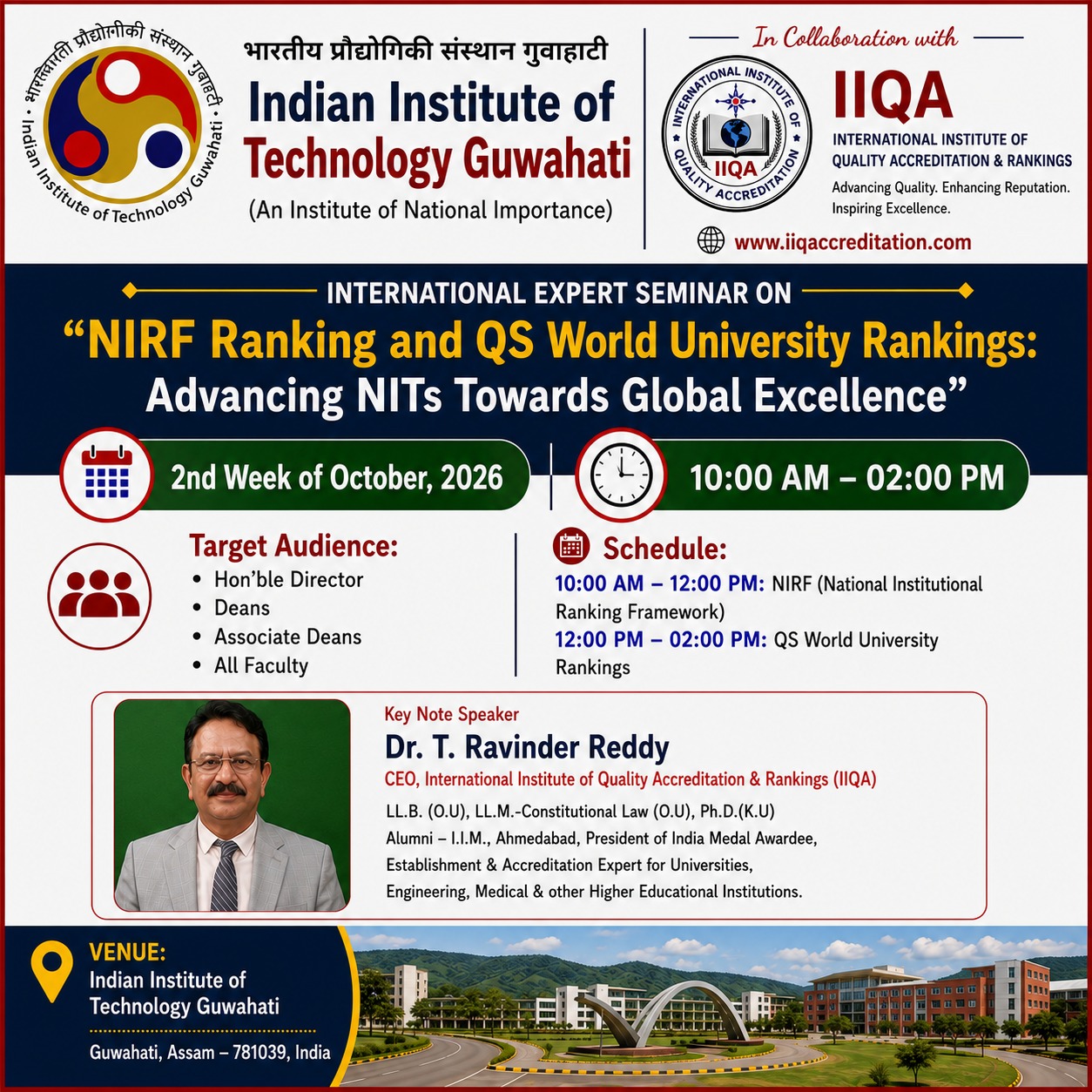
Dr. T. Ravinder Reddy is the CEO of the International Institute of Quality Accreditation & Rankings (IIQA).
His academic qualifications and recognition include:
- L.L.B. (O.U)
- L.L.M. – Constitutional Law (O.U)
- Ph.D. (K.U)
- Alumni – IIM Ahmedabad
- President of India Medal Awardee
He has professional expertise in accreditation and rankings for universities and higher educational institutions in India and overseas, including engineering, medical, and other higher education institutions.
His work focuses on quality accreditation, rankings, institutional improvement, and the development of systems that support excellence across educational and institutional environments.
Advancing Healthcare Quality Through Strategic Discussions
The official visit to AIIMS New Delhi highlighted several important areas connected with healthcare quality and institutional excellence.
The focus on patient care, WHO health standards, quality assurance, hospital accreditation, healthcare governance, and international best practices reflects the growing importance of structured quality systems in healthcare.
Such discussions can contribute to greater awareness of quality improvement practices and encourage institutions to continuously strengthen their systems, services, and standards.
Conclusion
The official visit of Dr. T. Ravinder Reddy, CEO of IIQA, to AIIMS New Delhi on 10 July 2026 focused on important discussions concerning patient care excellence and the implementation of WHO health standards.
The visit also highlighted key areas such as healthcare quality enhancement, international best practices, accreditation, quality assurance, healthcare governance, and quality systems strengthening.
As healthcare institutions continue to focus on better patient outcomes and institutional excellence, structured quality systems and internationally aligned practices remain important components of sustainable healthcare improvement.
Frequently Asked Questions
1. Who visited AIIMS New Delhi on 10 July 2026?
Dr. T. Ravinder Reddy, CEO of the International Institute of Quality Accreditation & Rankings (IIQA), made an official visit to AIIMS New Delhi on 10 July 2026.
2. What was the purpose of the IIQA CEO’s visit to AIIMS New Delhi?
The purpose of the visit was to discuss patient care and the implementation of WHO health standards, along with healthcare quality improvement.
3. What were the main focus areas of the visit?
The key focus areas included patient care excellence, WHO health standards implementation, healthcare quality enhancement, international best practices, and accreditation and quality systems strengthening.
4. Why are WHO health standards important for healthcare institutions?
WHO health standards provide guidance for improving patient safety, healthcare quality, institutional systems, governance, and overall healthcare performance.
5. How does accreditation support healthcare quality?
Accreditation helps healthcare institutions follow structured quality processes, assess performance, strengthen patient safety, improve accountability, and encourage continuous improvement.