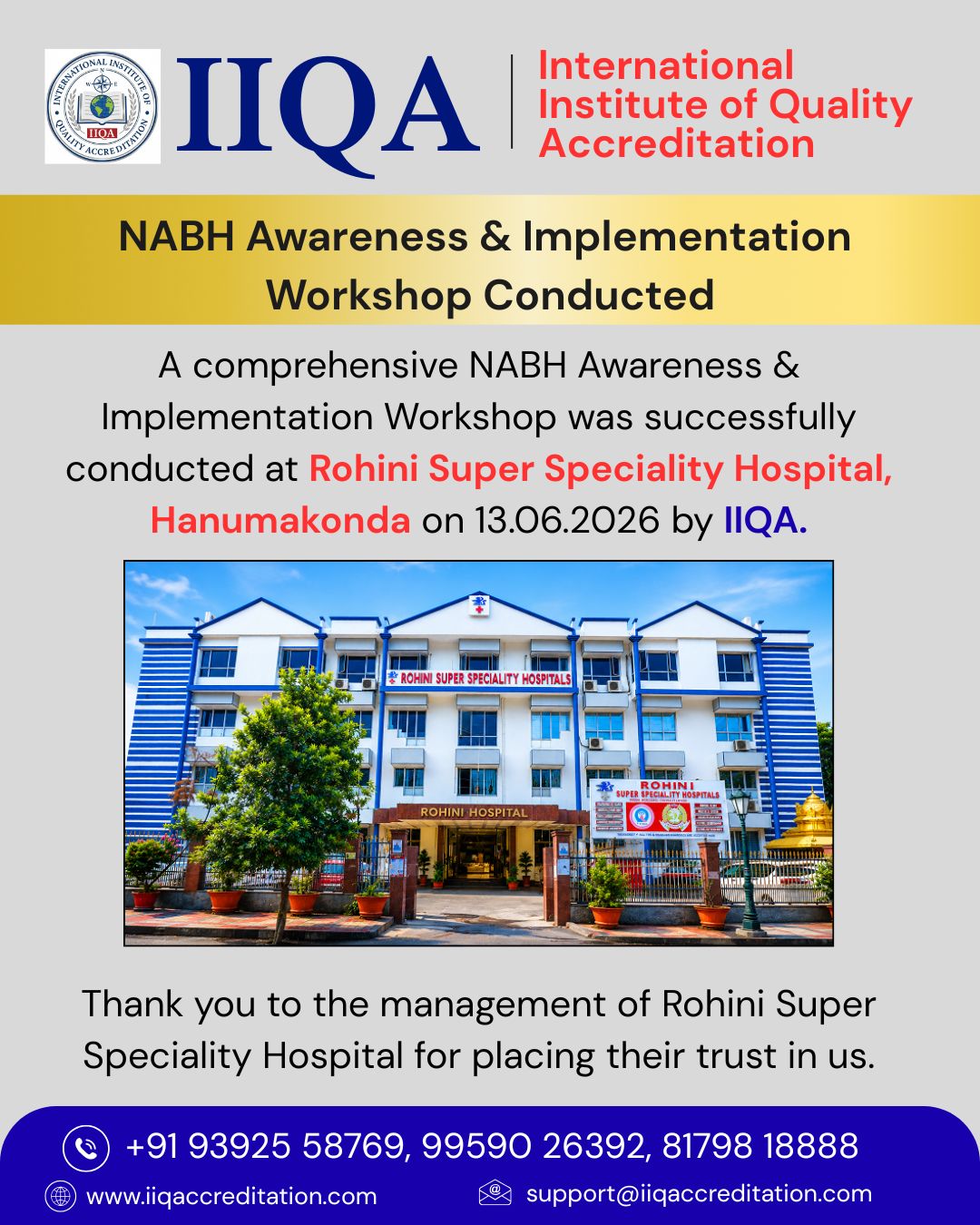
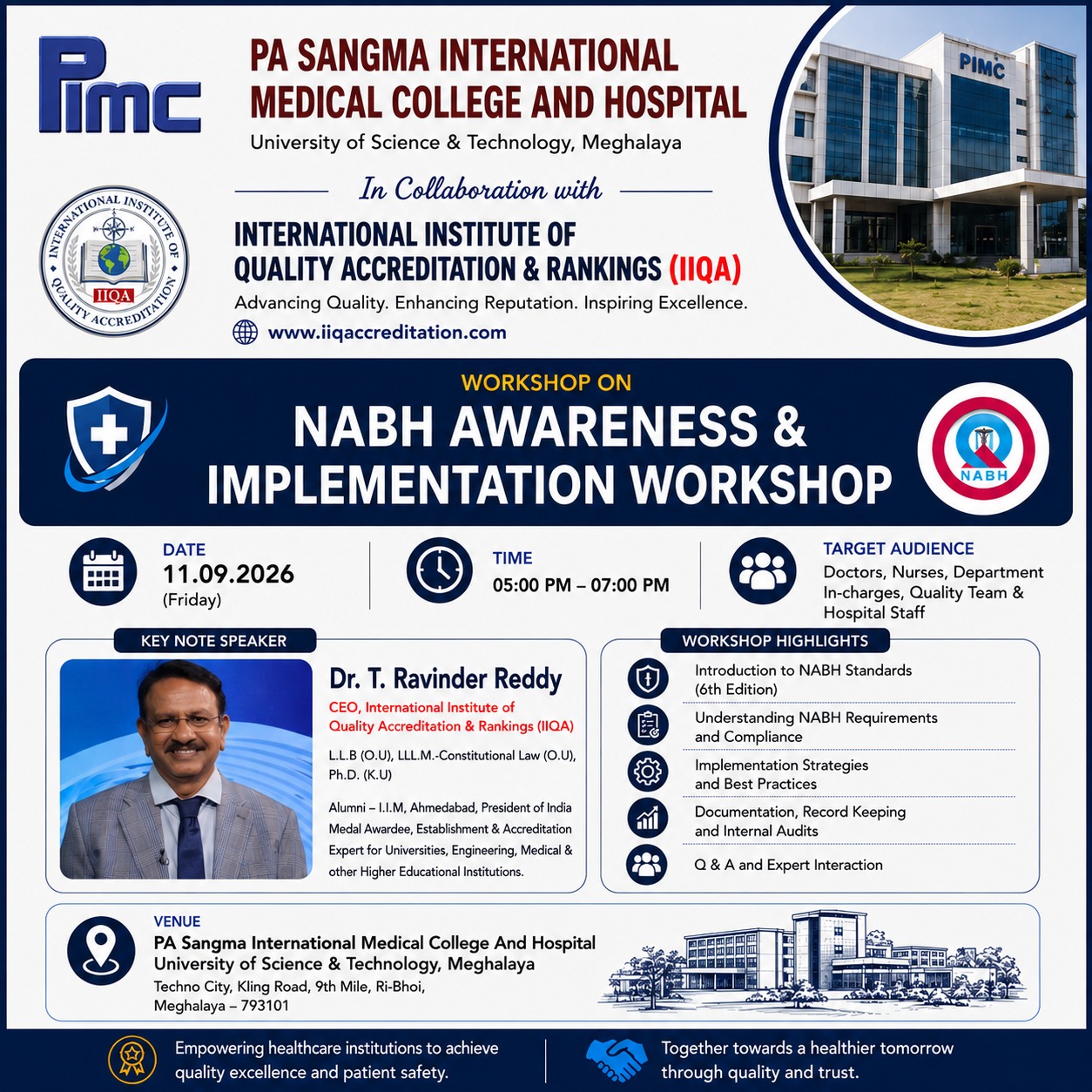
The International Institute of Quality Accreditation (IIQA) successfully conducted a NABH Awareness & Implementation Workshop at Rohini Super Speciality Hospital, Hanumakonda, on 13 June 2026. The workshop was organized to create awareness about NABH accreditation standards and provide practical guidance on implementing quality management systems that enhance patient safety, clinical excellence, and healthcare service delivery.
The program brought together hospital management, healthcare professionals, department heads, and administrative teams to gain a deeper understanding of NABH requirements and accreditation readiness. The workshop reflects the hospital's commitment to strengthening healthcare quality and adopting nationally recognized standards of excellence.
About Rohini Super Speciality Hospital
Rohini Super Speciality Hospital, Hanumakonda, is a leading healthcare institution known for delivering quality medical services across various specialties. With a strong focus on patient care, advanced treatment facilities, and continuous improvement, the hospital has consistently worked toward enhancing healthcare outcomes and operational excellence.
By organizing a NABH Awareness & Implementation Workshop, the hospital has taken another significant step toward adopting best practices in healthcare quality management and accreditation.
NABH Accreditation: A Benchmark for Healthcare Excellence
The National Accreditation Board for Hospitals & Healthcare Providers (NABH) is India's premier accreditation body for healthcare organizations. NABH accreditation provides a structured framework that helps hospitals improve patient care, standardize processes, enhance safety measures, and establish a culture of continuous quality improvement.
Healthcare institutions that adopt NABH standards benefit from:
- Improved patient safety
- Standardized clinical practices
- Better risk management systems
- Enhanced patient satisfaction
- Stronger organizational governance
- Increased credibility and public trust
- Continuous quality improvement
As healthcare quality expectations continue to rise, NABH accreditation has become a vital milestone for hospitals committed to excellence.
Objectives of the Workshop
The primary objective of the workshop was to help healthcare professionals understand the requirements and implementation process of NABH accreditation.
Key goals included:
- Creating awareness about NABH standards
- Understanding accreditation requirements
- Strengthening patient safety practices
- Developing quality management systems
- Improving documentation and compliance
- Building accreditation readiness
- Promoting a culture of continuous improvement
The workshop offered participants practical insights into how hospitals can successfully align their operations with NABH standards.
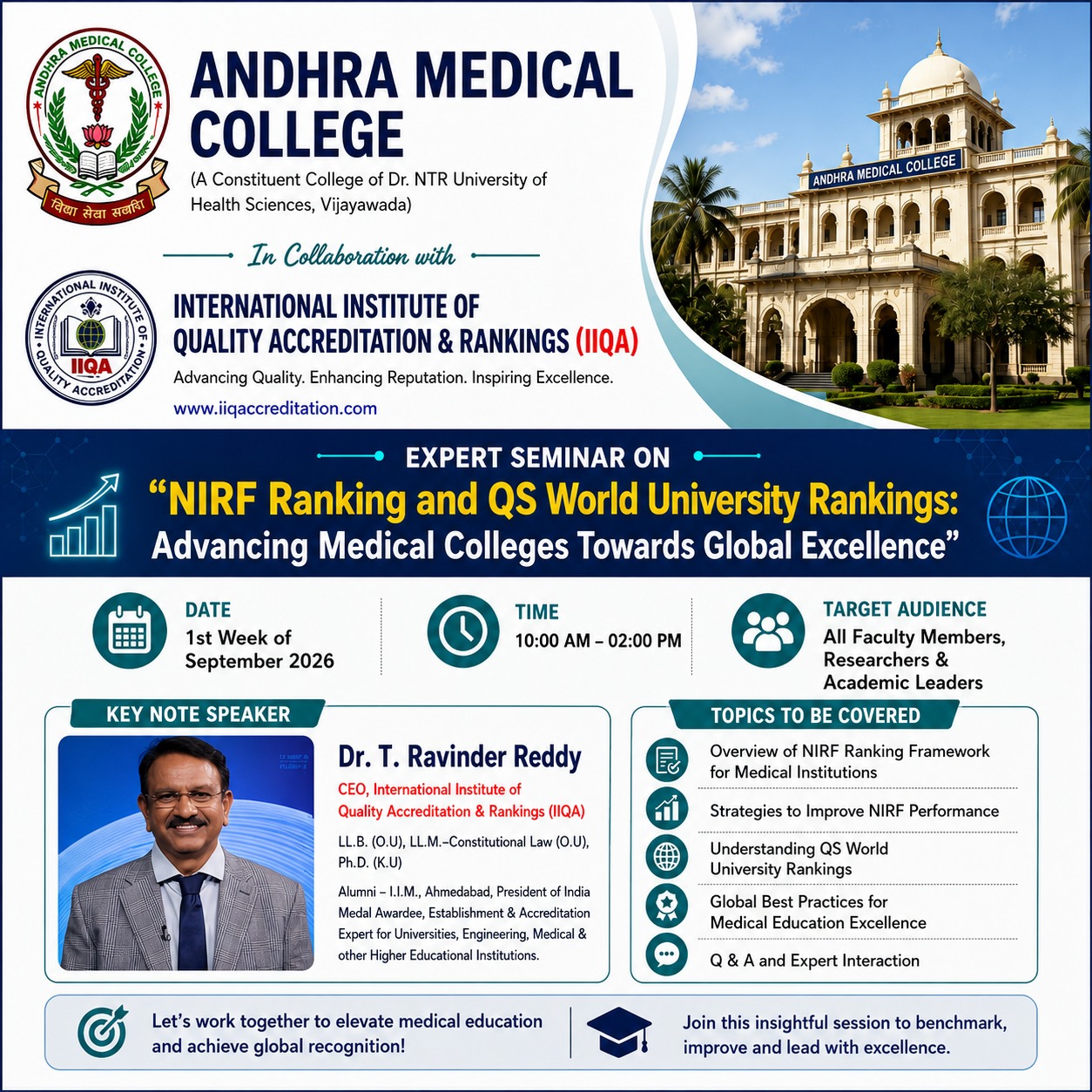
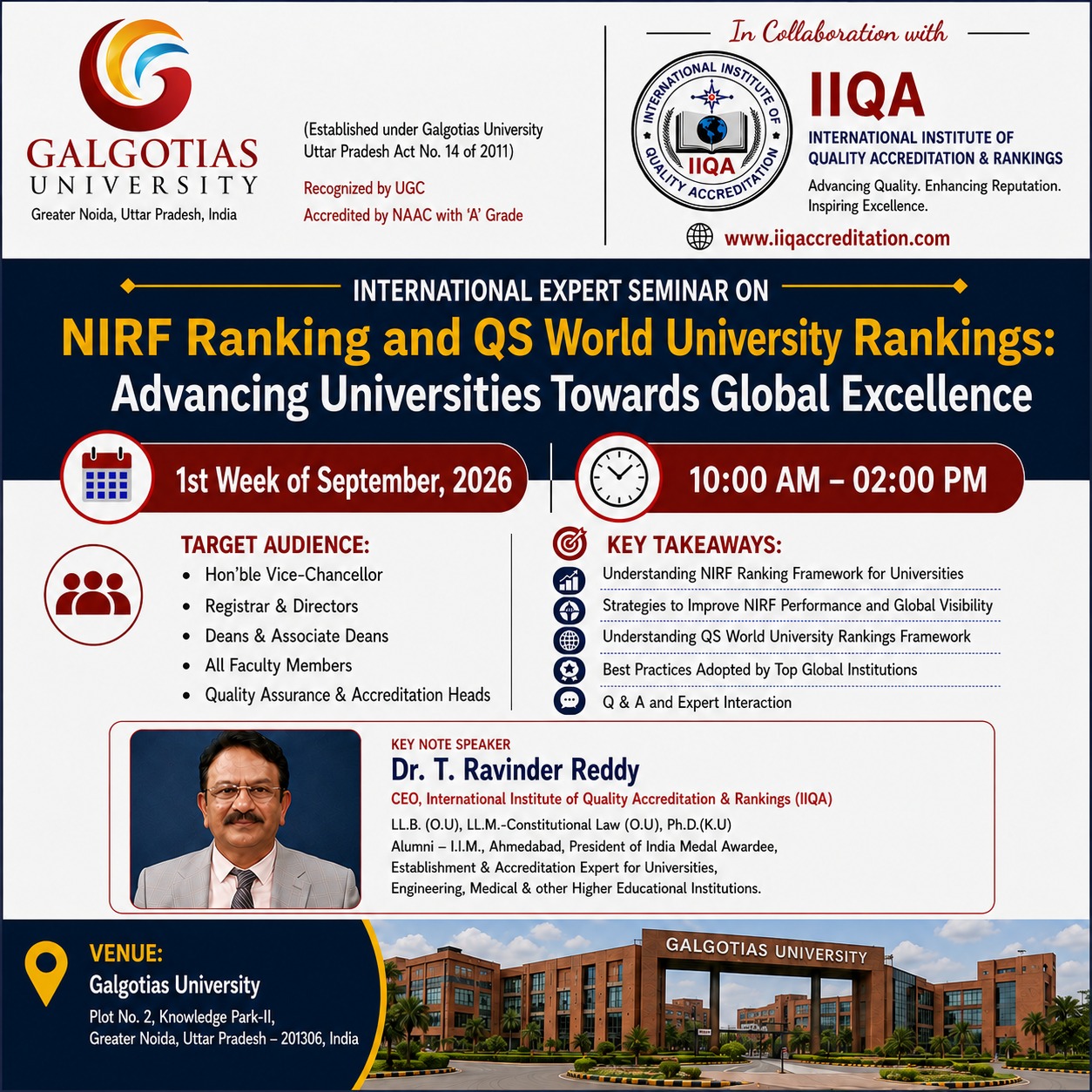
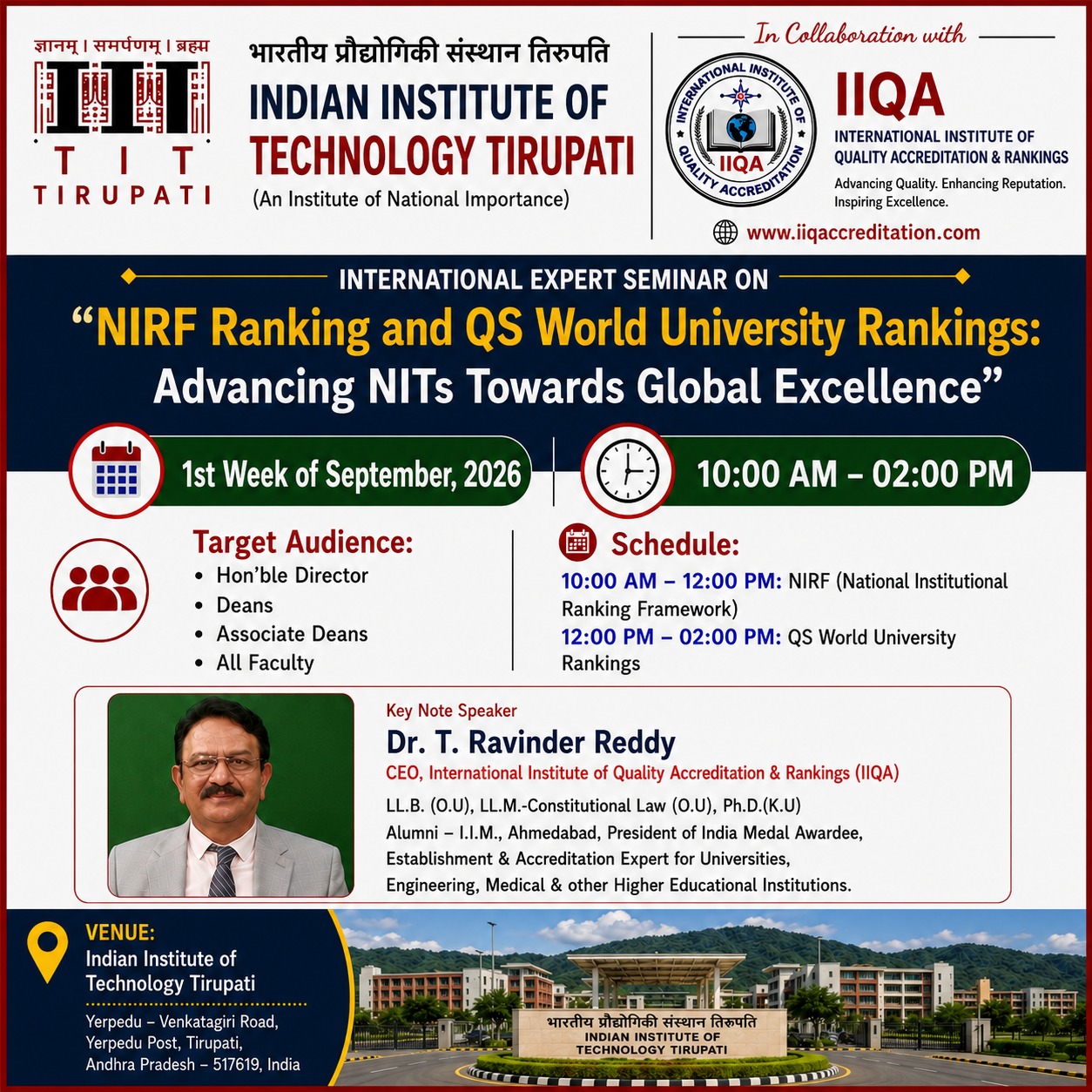
Keynote Speaker: Dr. T. Ravinder Reddy
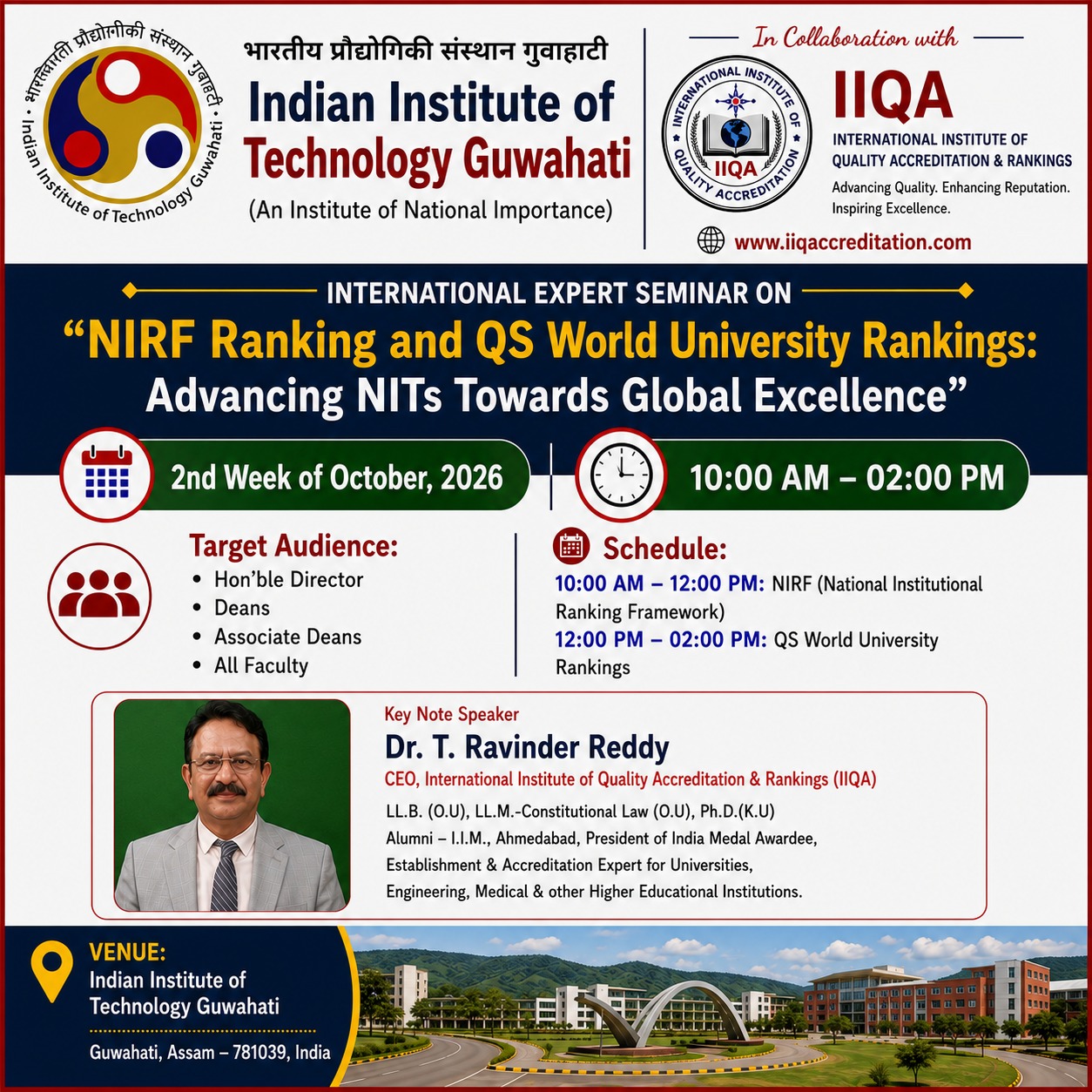
The workshop was led by Dr. T. Ravinder Reddy, CEO of the International Institute of Quality Accreditation (IIQA) and a recognized expert in accreditation, quality assurance, and institutional excellence.
Professional Credentials
- CEO, International Institute of Quality Accreditation (IIQA)
- L.L.B. (Osmania University)
- L.L.M. – Constitutional Law (Osmania University)
- Ph.D. (Kakatiya University)
- Alumni of IIM Ahmedabad
- President of India Medal Awardee
- Establishment and Accreditation Expert
With extensive experience in accreditation consultancy and quality systems implementation, Dr. Ravinder Reddy has guided numerous healthcare organizations, universities, engineering institutions, and educational establishments in achieving accreditation and institutional excellence.
Expert Insights Shared During the Workshop
During the workshop, Dr. Ravinder Reddy shared practical strategies and implementation approaches for hospitals seeking NABH accreditation.
The session covered:
Understanding NABH Standards
Participants were introduced to the structure, objectives, and requirements of NABH accreditation standards and their role in healthcare quality improvement.
Building a Patient-Centric Healthcare System
Special emphasis was placed on creating healthcare environments that prioritize patient rights, patient safety, ethical practices, and quality clinical outcomes.
Quality Management Systems
The workshop highlighted the importance of implementing effective quality management systems to ensure consistency, accountability, and continuous improvement.
Documentation and Compliance
Participants learned about the significance of documentation, policies, procedures, records management, and compliance monitoring in accreditation success.
Infection Control and Risk Management
Healthcare quality cannot be achieved without robust infection prevention and risk management practices. The workshop addressed methods for strengthening these critical areas.
Accreditation Readiness
The session also focused on preparing hospitals for assessments, audits, and accreditation evaluations through systematic planning and implementation.
Benefits of NABH Accreditation for Hospitals
Hospitals pursuing NABH accreditation gain multiple advantages that contribute to long-term growth and sustainability.
Enhanced Patient Safety
Structured healthcare processes help minimize errors and improve patient outcomes.
Improved Clinical Quality
Standardized treatment protocols support consistent and effective patient care.
Greater Public Trust
Accredited hospitals often enjoy stronger credibility among patients, healthcare professionals, and stakeholders.
Operational Excellence
Clearly defined systems improve efficiency and accountability across departments.
Continuous Quality Improvement
NABH encourages organizations to continuously monitor, evaluate, and improve their performance.
IIQA's Role in Healthcare Accreditation
The International Institute of Quality Accreditation (IIQA) has been actively supporting hospitals and healthcare organizations through accreditation awareness programs, consultancy services, training workshops, implementation support, and quality improvement initiatives.
IIQA assists healthcare institutions in:
- NABH Awareness Programs
- Accreditation Consultancy
- Gap Analysis Assessments
- Documentation Development
- Policy and Procedure Preparation
- Internal Quality Audits
- Mock Assessments
- Accreditation Readiness Programs
Through expert guidance and structured implementation support, IIQA helps healthcare institutions successfully achieve accreditation goals and strengthen quality systems.
A Step Towards Healthcare Quality Excellence
The successful conduct of the NABH Awareness & Implementation Workshop at Rohini Super Speciality Hospital demonstrates the growing commitment of healthcare organizations toward quality enhancement and patient safety.
Workshops of this nature provide valuable opportunities for healthcare professionals to understand accreditation requirements, adopt best practices, and build systems that support long-term excellence in healthcare delivery.
Acknowledgement
IIQA extends its sincere appreciation to the management, medical professionals, and staff of Rohini Super Speciality Hospital, Hanumakonda, for their active participation and commitment to healthcare quality improvement.
The successful completion of this workshop reflects the hospital's dedication to implementing quality-driven practices and pursuing excellence in patient care.
Conclusion
The NABH Awareness & Implementation Workshop conducted by IIQA at Rohini Super Speciality Hospital, Hanumakonda, served as an important platform for knowledge sharing, quality enhancement, and accreditation preparedness. Led by Dr. T. Ravinder Reddy, the workshop provided practical insights into NABH standards, quality management systems, patient safety practices, and accreditation implementation strategies.
As healthcare organizations continue to focus on delivering safe, effective, and patient-centered care, initiatives like this workshop play a crucial role in building a culture of quality, compliance, and continuous improvement.
FAQs
1. Why was the NABH workshop conducted at Rohini Super Speciality Hospital?
The workshop was conducted to create awareness about NABH standards and help the hospital strengthen its accreditation readiness and quality systems.
2. Who conducted the workshop?
The workshop was conducted by the International Institute of Quality Accreditation (IIQA).
3. Who was the keynote speaker?
Dr. T. Ravinder Reddy, CEO of IIQA and an accreditation expert, led the workshop.
4. What topics were covered during the workshop?
The workshop covered NABH standards, patient safety, quality management systems, documentation, compliance, infection control, and accreditation implementation.
5. How does NABH accreditation benefit hospitals?
NABH accreditation improves patient safety, healthcare quality, operational efficiency, and organizational credibility.
6. How can hospitals prepare for NABH accreditation?
Hospitals can prepare through training, documentation, process standardization, internal audits, gap analysis, and expert consultancy support.