Workshop overview
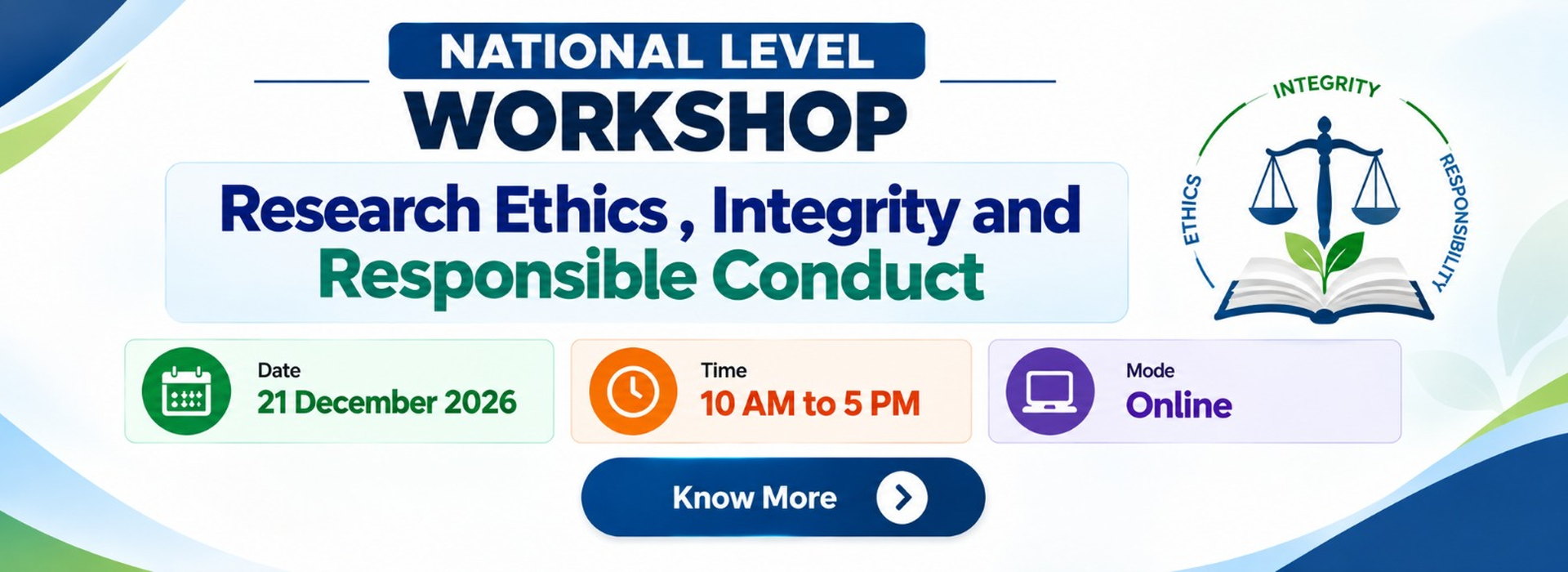
The International Institute of Quality Accreditation & Rankings (IIQA) presents a practical and experience-driven workshop on “Research Ethics, Integrity and Responsible Conduct”, designed to help higher education and research institutions strengthen ethical, transparent and responsible research practices. The workshop focuses on the practical application of research ethics, academic integrity, responsible conduct of research, ethical decision-making, research misconduct prevention, responsible data management, authorship and publication ethics, conflict of interest, plagiarism prevention, research transparency and institutional research governance. The programme is designed to help researchers and institutions understand how ethical principles can be translated into everyday research practices across the complete research lifecycle. UNDERSTAND → PLAN → CONDUCT → DOCUMENT → REPORT → RESPONSIBLY DISSEMINATE
What will the workshop cover?
01Foundations of Research Ethics
- Meaning and importance of research ethics
- Ethical principles in research
- Ethical decision-making
- Responsibilities of researchers
- Ethical challenges in contemporary research
- Building ethical awareness
02Research Integrity & Responsible Conduct
- Understanding research integrity
- Principles of responsible research
- Honesty and objectivity
- Accountability in research
- Transparency in research practices
- Responsible professional behaviour
- Maintaining trustworthy research records
03Ethical Research Planning & Conduct
- Ethical considerations during research planning
- Research protocols and procedures
- Participant protection
- Informed consent
- Privacy and confidentiality
- Vulnerable participants
- Ethical responsibilities during data collection
- Responsible research practices
04Research Data Integrity & Management
- Data accuracy and reliability
- Data collection practices
- Data documentation
- Data storage and security
- Data access and sharing
- Data preservation
- Data integrity throughout the research lifecycle
- Responsible analysis and interpretation
05Research Misconduct & Integrity Violations
- Understanding research misconduct
- Fabrication
- Falsification
- Plagiarism
- Data manipulation
- Misrepresentation of research findings
- Inappropriate research practices
- Prevention and awareness
- Institutional response mechanisms
06Plagiarism, Academic Integrity & Responsible Use of Sources
- Understanding plagiarism
- Types of plagiarism
- Proper citation and referencing
- Paraphrasing and quotation practices
- Appropriate use of sources
- Text similarity and originality
- Responsible use of published material
- Preventive institutional practices
07Authorship, Publication & Peer-Review Ethics
- Principles of responsible authorship
- Authorship eligibility
- Contributor roles
- Acknowledgement practices
- Duplicate and redundant publication
- Publication transparency
- Ethical peer review
- Reviewer responsibilities
- Corrections and retractions
- Responsible dissemination of findings
08Conflict of Interest & Research Transparency
- Understanding conflict of interest
- Financial conflicts
- Non-financial conflicts
- Disclosure requirements
- Managing conflicts
- Transparency in research relationships
- Maintaining objectivity
- Responsible collaboration
09Responsible Collaboration, Supervision & Mentoring
- Ethical responsibilities in research teams
- Researcher–supervisor responsibilities
- Responsible mentoring
- Fair recognition of contributions
- Collaborative research practices
- Inter-institutional research responsibilities
- Communication and accountability
- Managing ethical concerns within research teams
10Research Documentation & Record Management
- Research records
- Maintaining research notebooks and records
- Data documentation
- Version control
- Research approvals and correspondence
- Traceability of research activities
- Secure record retention
- Documentation for transparency and accountability
11Institutional Research Ethics & Governance
- Institutional research ethics policies
- Roles and responsibilities
- Research ethics committees and oversight mechanisms
- Research integrity awareness programmes
- Researcher training
- Reporting concerns
- Review and response mechanisms
- Institutional culture of integrity
12Responsible Research Action Plan
- Identifying ethical and integrity risks
- Research integrity gap identification
- Preventive measures
- Responsibility allocation
- Research ethics training plan
- Monitoring mechanisms
- Institutional improvement priorities
- Strengthening responsible research culture
What will you gain?
- Participants will gain practical understanding of:
- Fundamentals of research ethics
- Research integrity principles
- Responsible conduct of research
- Ethical research planning
- Participant protection
- Informed consent and confidentiality
- Data integrity and responsible data management
- Research misconduct and its prevention
- Fabrication, falsification and plagiarism
- Academic integrity
- Authorship and contributorship
- Publication ethics
- Peer-review ethics
- Conflict of interest
- Research transparency
- Responsible collaboration
- Research documentation
- Institutional research governance
- Ethical decision-making
- Responsible dissemination of research findings FROM ETHICAL PRINCIPLES → RESPONSIBLE CONDUCT → INTEGRITY → TRANSPARENCY → ACCOUNTABILITY → TRUSTWORTHY RESEARCH
Who can participate?
Institutional Leadership
Vice-Chancellors
Directors
Principals
Registrars
Deans
Pro-Vice-Chancellors
Research Directors
Senior Administrators Research & Quality Teams
Research Directors
Research Coordinators
Research & Development Teams
IQAC
Academic Integrity Teams
Research Ethics Teams
Institutional Research Committees Faculty & Researchers
Professors
Associate Professors
Assistant Professors
Principal Investigators
Research Supervisors
Research Scholars
PhD Scholars
Postdoctoral Researchers Academic & Functional Teams
HODs
Librarians
Research Administrators
Legal & Compliance Teams
Academic Administrators
Data Management Teams
Institutional Documentation Teams DESIGNED FOR Universities • IITs • NITs • IIITs • Research Institutions • Autonomous Institutions • Medical Institutions • Higher Education Institutions • Research Centres • Colleges